
AI for Integrative Computational Medicine
Biophysics-based AI
- Learning biophysical parameters for quantitative diagnosis
- Predicting evolution of pathologies & effect of therapies (digital twin)
- Data augmentation from biophysical simulation
Medical data management
- Medical Data Lab (UCA Idex)
- Health Data Hub, EDS APHP
- International databases
- Security, privacy, GDPR
- In collaboration with other 3IA institutes
Data-driven AI
- Imaging and omics biomarkers (genetics, transcriptomics, proteomics, metabolomics) & lifestyle, behavior, etc. for patient selection
- Video analytics & sensors for patient monitoring
AI for Computational Biology and Bio-inspired AI
Computational biology
- Molecules: mining conformational spaces of huge dimensions to reveal biological functions
- Networks: combining single cell atlases and interaction networks (protein, metabolic, genetic, signaling, etc.) to reveal molecular pathways
- Cells/tissues: 3D+t super-resolution/multispectral microscopy to reveal differentiation/development complexity
- Brain: neuron-to-brain integration to model brain activity & computational neuroscience
Bio-inspired AI
- Neuronal level: spiking models to better understand neuronal dynamics
- Cognition: neuronal dynamics for the analysis of learning/perception/action sequences
- Simulation/electronics: brain models to provide new neuromorphic-biomimetic algorithms/architectures
3IA Chairholders
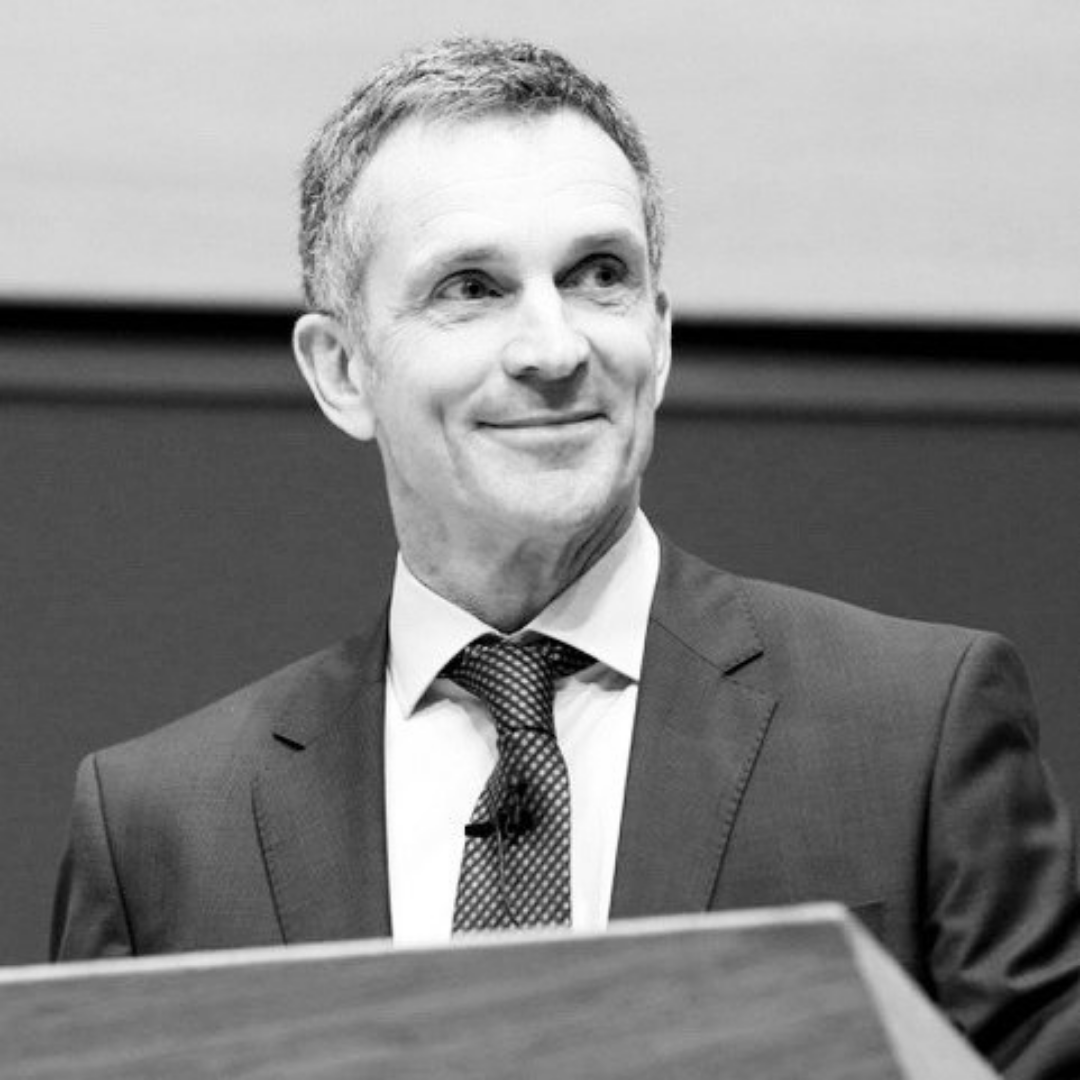
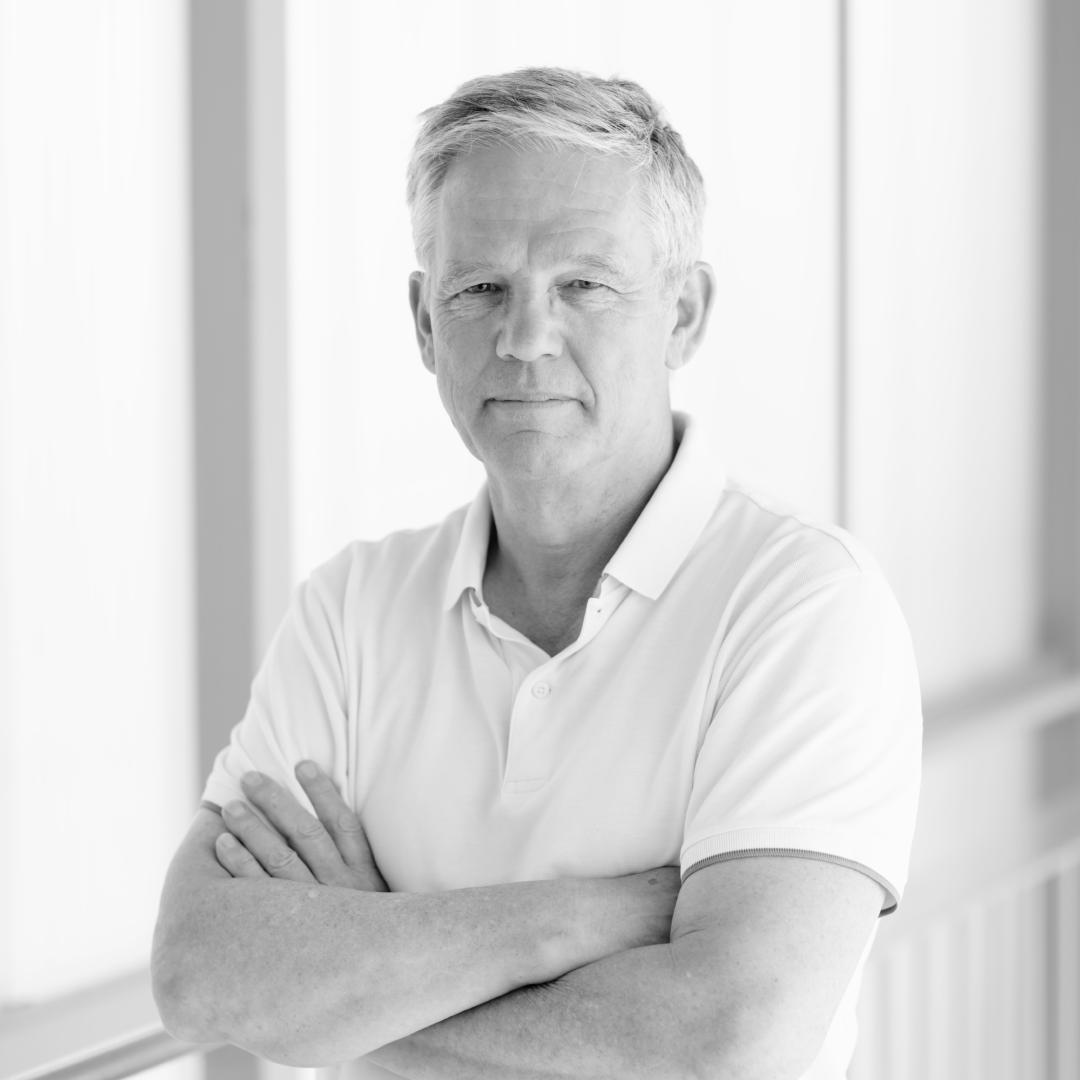
Nicholas Ayache (Inria)
AI for e-patients and e-medicine
(AI for Integrative Computational Medicine)
Since 2019
We design and exploit modern AI methods: (i) to personalize the parameters of advanced models of the e-patient, (ii) to drive e-medicine algorithms on personalized e-patients (i.e. digital twins) for automated diagnosis, prognosis and therapy, in an efficient, robust, safe and explainable manner.
Pascal Barbry (CNRS)
Human Lung Atlas
(AI for Computational Biology and Bio-inspired AI)
Since 2020
The project elaborates on state-of-the-art approaches in genomics and cell biology to describe complex biological samples at the single-cell resolution. Multidimensional biological experiments result in large scale descriptions of DNA, RNA and protein expressions that can be integrated in time and space. The project aims at: (1) developing novel data-mining approaches based on machine learning and AI; (2) apply them to the study of the normal and pathological lung, in the context of serious threats that touch this organ (COVID-19, asthma, cystic fibrosis, cancer,...).
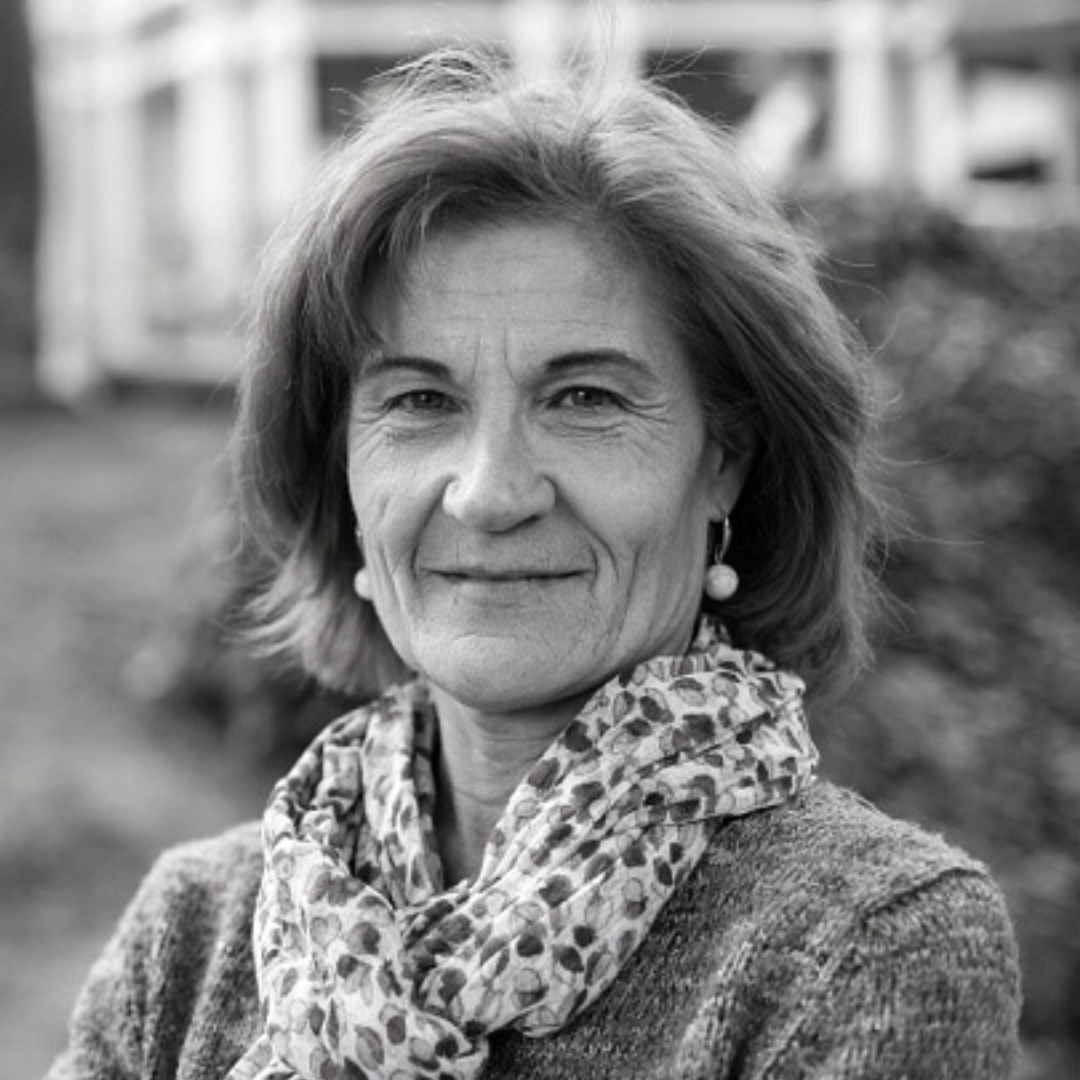
Laure Blanc-Féraud (CNRS)
Imaging for biology
(AI for Computational Biology and Bio-inspired AI)
Since 2019
Recent advances in microscope technology provide outstanding images that allow biologists to address fundamental questions. This project aims at developing new AI methods and algorithms for (i) novel acquisition setups for super resolution imaging, and (ii) extraction of valuable quantitative information from these large heterogeneous datasets.

François Brémond (Inria)
Video analytics for human behavior understanding
(AI for Integrative Computational Medicine)
Since 2019
Video analytics enables us to measure objectively the behavior of humans by recognizing their everyday activities, their emotion, eating habits and lifestyle. Human behavior can be modeled by learning from a large quantity of data from a variety of sensors to improve and optimize, for instance, the quality of life of people suffering from behavior disorders.
Frédéric Cazals (Inria)
AIMS: Artificial intelligence for molecular studies
(AI for Computational Biology and Bio-inspired AI)
Since 2019
By learning essential features of proteins and their complexes, we shall deliver biologically relevant information for large molecular systems on biologically relevant time scales, leveraging our understanding of biological functions at the atomic level, and providing key inputs for protein design and engineering, and protein interaction networks.

Hervé Delingette (Inria)
Joint biological and imaging biomarkers in oncology
(AI for Integrative Computational Medicine)
Since 2019
We exploit joint information from imaging and biological data to improve the diagnosis and treatment planning, focusing on lung cancer. This approach relies on methods involving unsupervised deep learning, uncertainty quantification, sparse Bayesian feature selection and the handling of confounding factors.
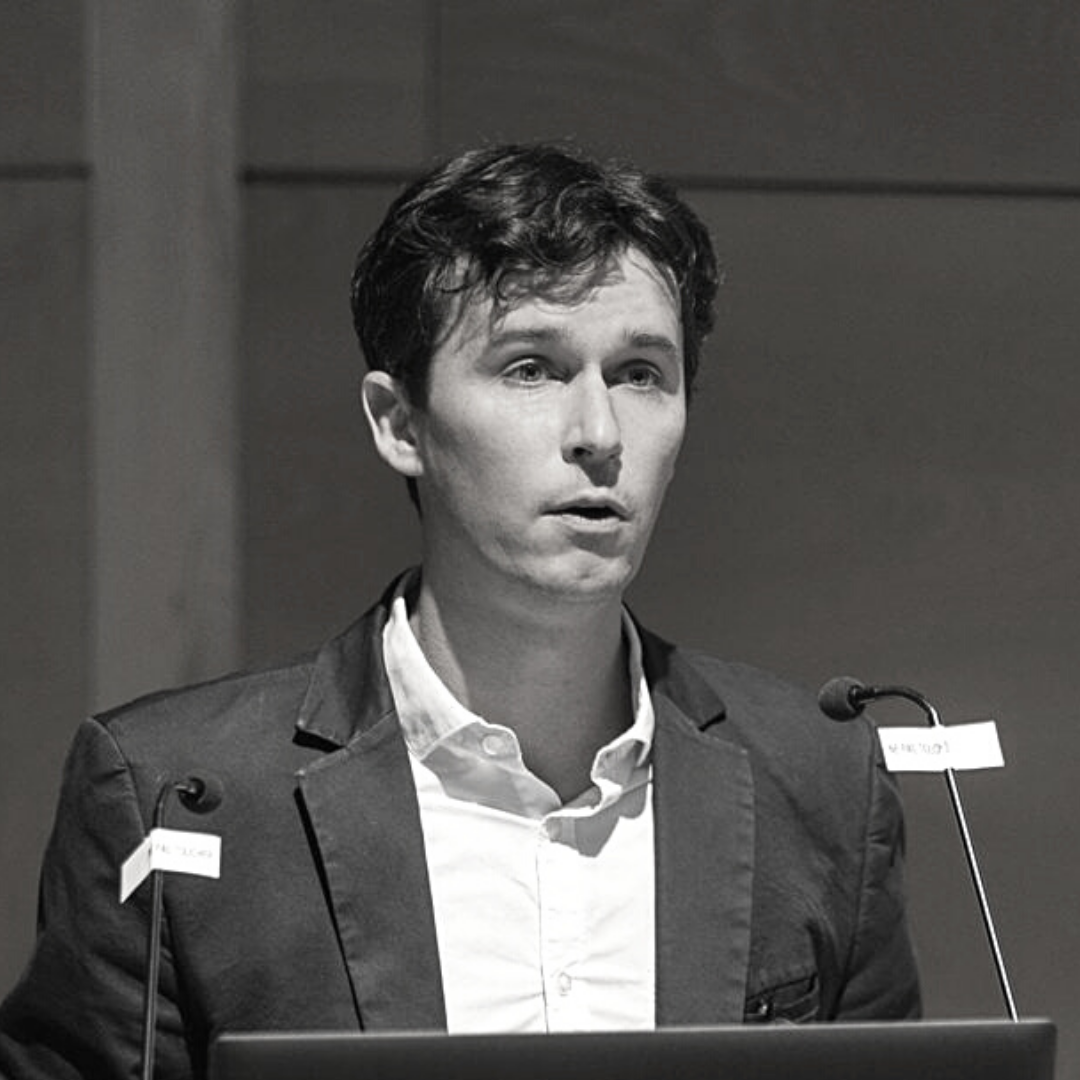
Olivier Humbert (Université Côte d'Azur)
Comprehensive omics profiling for precision medicine in Oncology
(AI for Integrative Computational Medicine)
Since 2019
I am combining various patient extracted “omics” data, including multimodal imaging features, for integrative and data-driven computational medicine. I focus on challenging fields in oncology such as (i) radiogenomics and outcome-focused research in metastatic breast cancer and (ii) the accurate prediction of response to immunotherapy.

Marco Lorenzi (Inria)
Interpretability and security of statistical learning in healthcare
(AI for Integrative Computational Medicine)
Since 2019
Statistical learning in healthcare must ensure interpretability and compliance with secured data access. To tackle this problem, I will focus on 1) interpretable biomedical data modeling via probabilistic inference of dynamical systems, and 2) variational inference in federated learning for the modeling of multicentric brain imaging and genetics data.
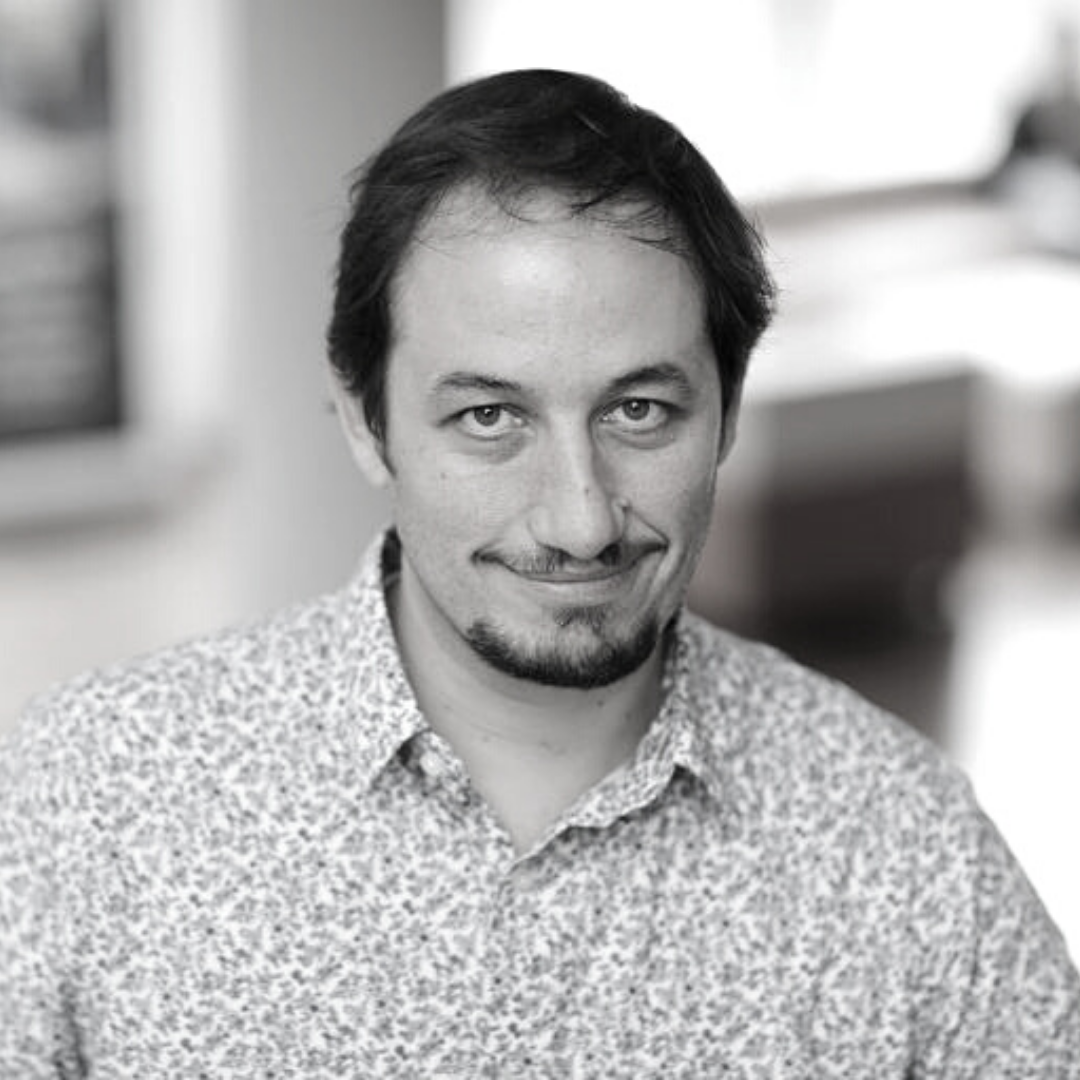
Maxime Sermesant (Inria)
AI and biophysical models for computational cardiology
(AI for Integrative Computational Medicine)
Since 2019
The application of AI in healthcare is challenging due to its lack of robustness and explainability. This project aims to introduce physiological priors in AI through biophysical models. This can be done by reformulating problems through such models, by learning spatiotemporal dynamics from biophysics or by augmenting features and data with such simulations.
3IA Fellows
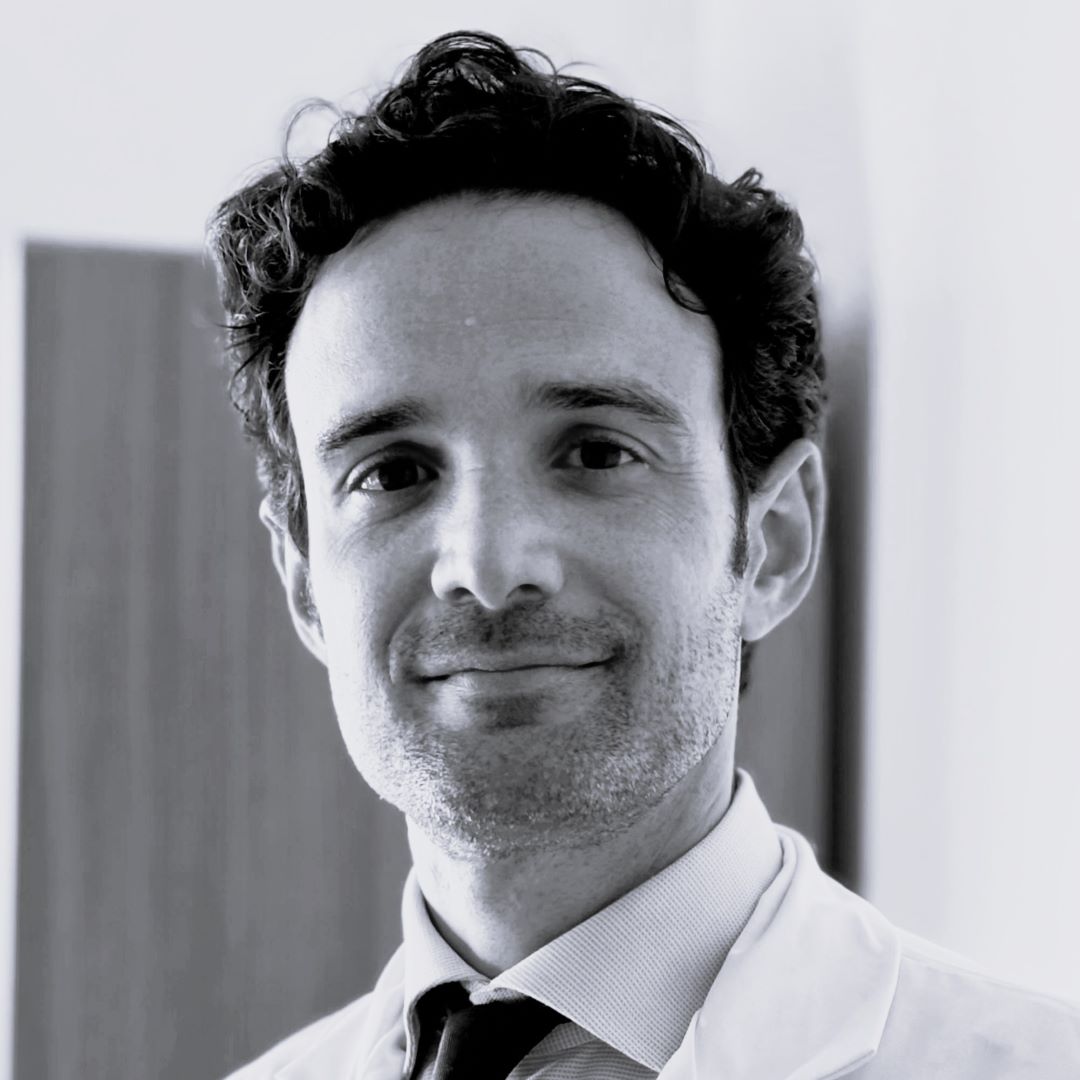
Marc-Olivier Gauci (Université Côte d’Azur, CHU de Nice)
Global approach to research, development, and global deployment of digital solutions in surgery, with osteoarticular surgery and traumatology as a use case
(AI for Integrative Computational Medicine)
Since 2024
The theme developed by Dr. Gauci revolves around computational and augmented medicine & surgery using artificial intelligence tools and the reuse of healthcare data.
Digital surgery merges two complementary aspects:
- Computational surgery, which is fed by patient and imaging data, enabling the creation of 3D/4D geometric and biomechanical models to simulate and plan surgery before it is performed.
- Augmented surgery, which is based on a more or less complex digital model and enables planning to be applied using intraoperative assistance and guidance tools such as 3D printing (model, instrumentation, implant), navigation, robotics or mixed reality including collaborative cloud platform.
Assessing the clinical relevance of these digital solutions alone is not enough to demonstrate their usability and interest in a complex environment such as the operating room or interventional procedure room. The development of models adapted to surgical needs, and the analysis of multiparametric data derived from the use of these models' application tools, should enable us to optimize the integration of these tools in the operating room and in daily practice. Several technology platforms have been set up for experimental and clinical validation such as augmented operating room.
Gergő Gógl (Inserm)
Decoding complex interactomes of macromolecules
(AI for Computational Biology and Bio-inspired AI)
Since 2025
This project aims to decode complex interactomes using AI-based tools that integrate quantitative biochemical data with advanced computational modeling. Building on recent breakthroughs in affinity interactomics —which can measure millions of affinities of macromolecular interactions— the project seeks to overcome current limitations in interpreting large-scale interaction networks. By developing novel AI-driven methods, Gergo's team will identify recurring short linear motifs, infer hidden network topologies, and predict binding affinities of experimentally so-far uncharted interactions, particularly within intrinsically disordered regions often implicated in cancer. Combining experimental data generation and machine learning, this interdisciplinary effort will reveal how mutations rewire cellular signaling, uncover novel cancer driver mechanisms, and establish a new paradigm for quantitative systems biochemistry at the interface of interactomics and artificial intelligence.
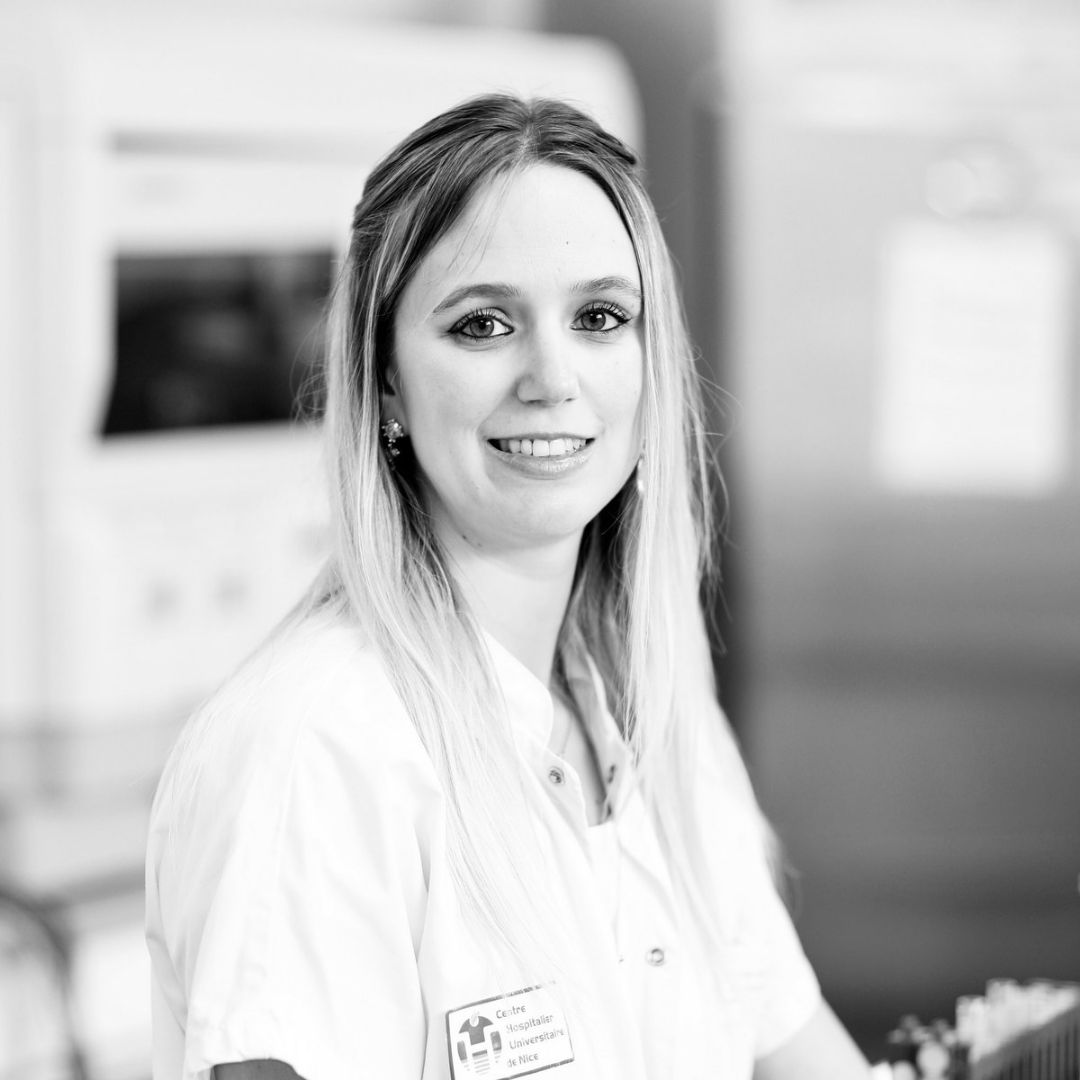
Juliette Raffort-Lareyre (CHU Nice - Université Côte d'Azur)
Applications of AI for patients with vascular diseases
(AI for Integrative Computational Medicine)
Since 2021 (Chair: 2021-2025 / Fellow: Since 2025)
Our team develops AI-based applications for patients with vascular diseases We aim to create decision support systems to enhance evidence-based and precision medicine through a translational approach including the identification of biomarkers, the automation of vascular imaging analysis, and the development of predictive models Our group is strongly involved in federating national databases and European vascular registries to promote international research for patients with vascular diseases.
3IA Emeritus Chairholders
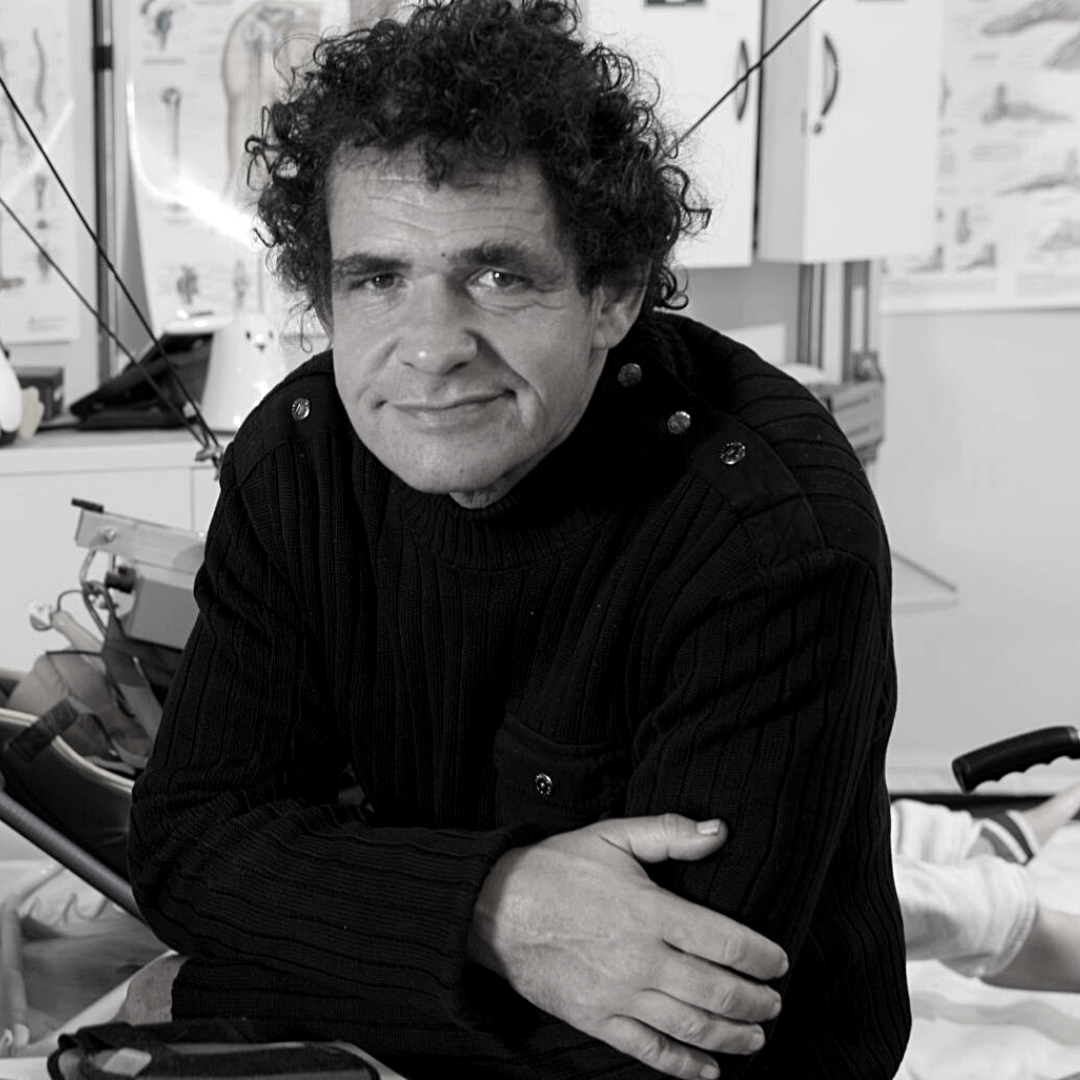
Jean-Pierre Merlet (Inria)
Non-invasive assessment of disabilities
(AI for Integrative Computational Medicine)
We use mathematical/AI methods for (i) designing non-intrusive and affordable monitoring/assistance devices that are adaptable to the user’s/doctor’s needs, (ii) deducing medically pertinent health-indicators from the data, taking into account measurement errors, and (iii) detecting rare events that may be the sign of emerging pathology.

Ellen Van Obberghen-Schilling (Inserm)
AI-powered analysis of the tumor microenvironment
(AI for Computational Biology and Bio-inspired AI)
Our project will integrate tissue imaging modalities and artificial intelligence-based analysis tools for a deeper understanding and control of cancer, targeting tumor microenvironment and on the role of the extracellular matrix (ECM) in carcinoma progression, spread and response to therapy.